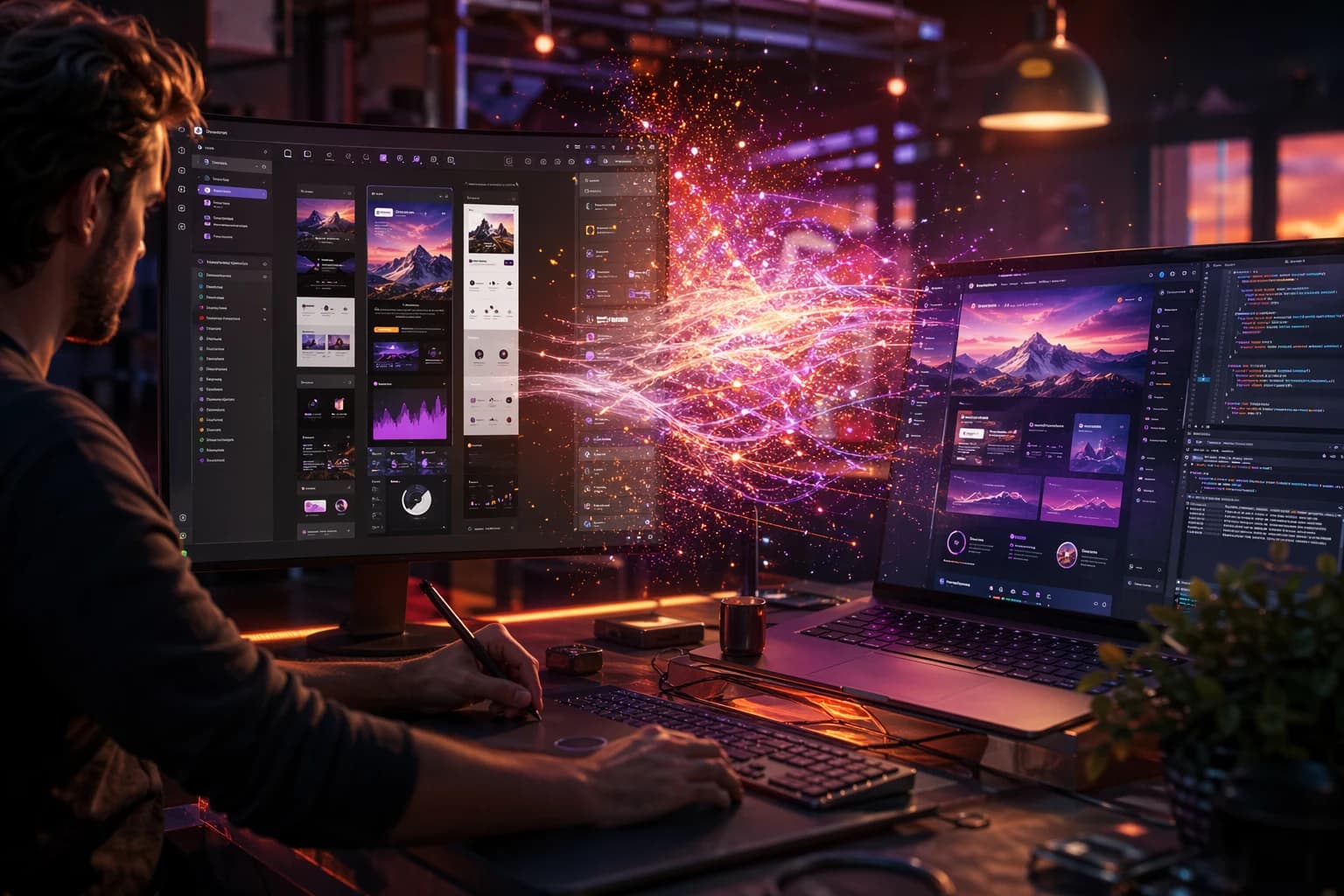

Vibe coding is not magic and it is not an excuse to stop understanding the code. It is a way of steering AI-assisted implementation through intent, context, and fast feedback.
Context is the real interface
The model needs the same things a good engineer would need: architecture, constraints, component rules, data contracts, and a clear definition of done.
Bad vibe coding is guessing faster. Good vibe coding is structured product engineering with a different input method.
The review does not disappear
AI can produce plausible code that is still wrong. Teams need tests, type checks, accessibility review, and a human read of the behavior.
Why design systems matter here
A design system gives the model fewer ways to drift. Instead of inventing new card, button, and spacing styles, it can compose existing parts.
The teams that benefit most are not the ones that prompt the most. They are the ones that provide the cleanest context and reject weak output quickly.
Frequently asked questions
No. It can support production work when the repo has strong conventions, tests, and review gates. Without those, it should stay experimental.